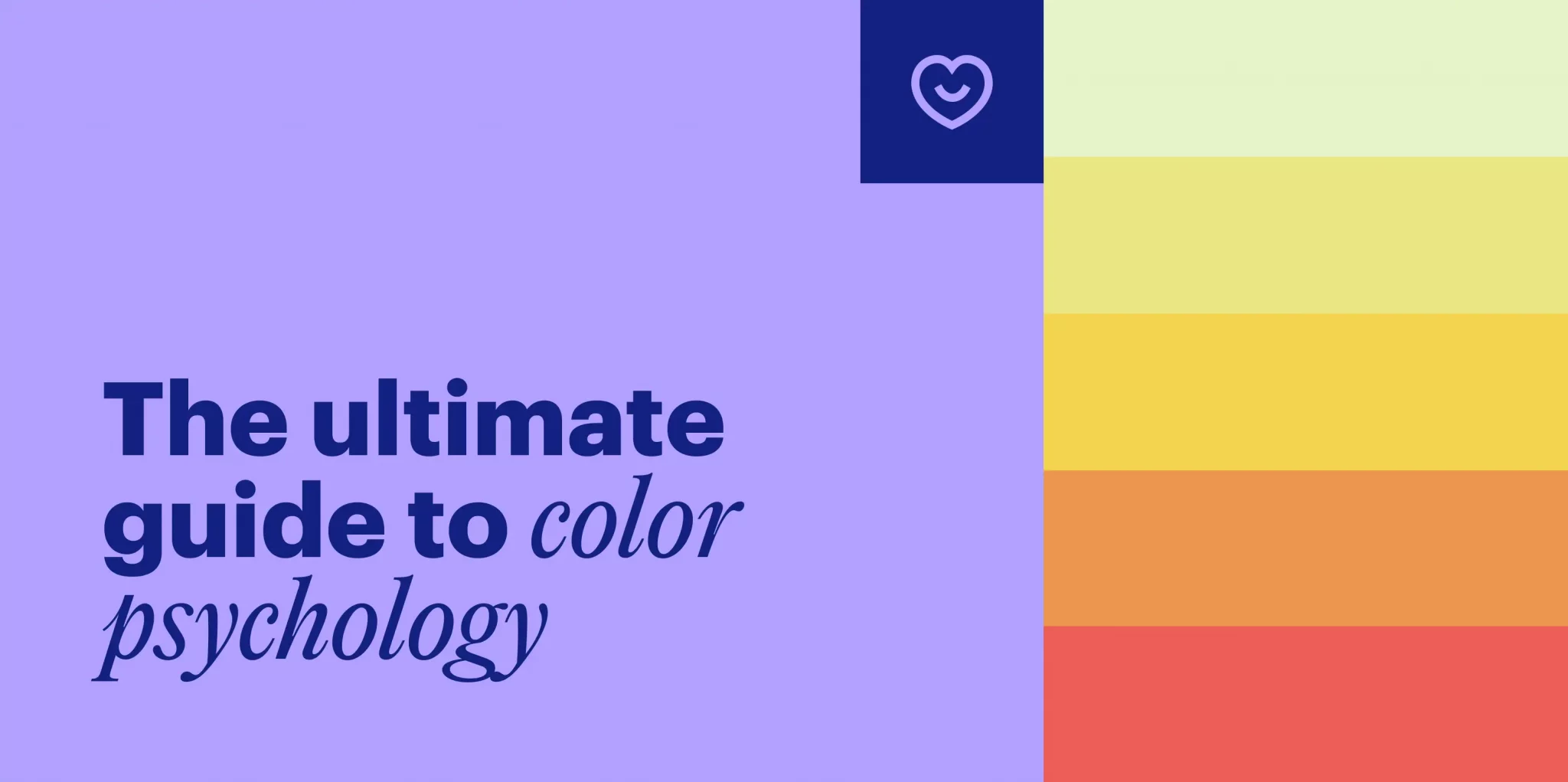
Color plays a powerful role in the way people experience the world. It influences emotions, communicates ideas, and shapes how we perceive objects around us. Among the wide spectrum of colors used in art, design, and fashion, “extra juicy colors” stand out for their boldness, vibrancy, and energy. These colors are rich, saturated tones that appear lively and fresh, often resembling the bright hues found in ripe fruits, tropical landscapes, and vivid sunsets. Their intensity immediately captures attention and evokes strong emotional responses.
Extra juicy colors are widely used in branding, digital design, fashion, and interior decoration because they create a sense of excitement and positivity. They are the types of colors that make a design feel modern, playful, and full of life. When used thoughtfully, these bright shades can communicate powerful messages and shape how people feel about a product, a space, or a creative work.
Understanding the meaning behind these colors helps designers, artists, and everyday individuals use them more effectively. Each color carries psychological associations and cultural symbolism that influence how it is perceived. By exploring the meanings of Extra Juicy colors, it becomes easier to appreciate their impact and use them with intention.
What Are Extra Juicy Colors?
Extra juicy colors are typically described as highly saturated, vibrant tones that feel energetic and visually stimulating. Unlike muted or pastel shades, these colors are bold and intense. They resemble the rich colors seen in nature, such as the deep red of a strawberry, the bright orange of a mango, or the lush green of a tropical leaf.
These colors often appear glossy, luminous, and full of depth. In digital design, they are sometimes enhanced with gradients, lighting effects, or glossy finishes to create a sense of freshness and movement. The term “juicy” reflects how these colors feel alive and bursting with energy, similar to the vibrant appearance of freshly cut fruit.
Extra juicy colors are particularly popular in modern branding and social media graphics because they immediately stand out in crowded visual spaces. Their brightness makes them easy to notice and memorable for viewers.
The Psychology Behind Bright and Juicy Colors
Color psychology suggests that different colors can influence human emotions and behavior. Extra juicy colors, because of their strong saturation, often create feelings of excitement, happiness, and creativity. They stimulate the senses and can even affect mood and energy levels.
Bright colors tend to activate the brain more strongly than dull ones. When people see vivid tones, their attention naturally focuses on them. This is why businesses frequently use bold colors in logos, advertisements, and packaging. The colors not only attract attention but also communicate a brand’s personality.
Juicy colors often feel youthful and energetic. They can make a design feel lively and optimistic, which is why they are commonly used in products aimed at younger audiences or industries related to entertainment, food, and lifestyle.
However, the emotional effect of a color can vary depending on context, cultural background, and personal experience. While bright red might symbolize passion in one culture, it could represent luck or celebration in another.
The Meaning of Vibrant Red
Among extra juicy colors, vibrant red is one of the most powerful and emotionally charged. It is often associated with passion, love, and energy. A bright red color can create a sense of excitement and urgency, which is why it is frequently used in marketing and advertising.
In many cultures, red symbolizes strength and courage. It has historically been used in royal clothing, ceremonial decorations, and important celebrations. The boldness of red naturally draws the eye, making it an effective color for highlighting important elements in design.
At the same time, red can also represent intensity and power. Because of its strong visual impact, designers often use it carefully to avoid overwhelming the viewer. When balanced with other colors, vibrant red can bring warmth and vitality to a composition.
The Energy of Bright Orange
Bright orange is another classic example of an extra juicy color. It combines the warmth of red with the cheerfulness of yellow, resulting in a color that feels energetic and inviting. Orange often reminds people of sunshine, tropical fruits, and autumn leaves.
This color is frequently linked to creativity and enthusiasm. It encourages a sense of adventure and openness, making it popular in brands that promote innovation or active lifestyles. Many companies use orange in their visual identity to convey friendliness and approachability.
In design, orange works particularly well when paired with darker or neutral tones. Its brightness can bring life to a layout while still maintaining balance. Because it feels warm and playful, orange is commonly used in industries such as food, entertainment, and sports.
The Freshness of Juicy Yellow
Yellow is often described as the color of sunshine and happiness. When presented as a bright, juicy tone, it becomes a symbol of positivity and optimism. It instantly creates a cheerful atmosphere and can make designs feel light and uplifting.
Psychologically, yellow is associated with clarity, curiosity, and intellectual energy. It stimulates mental activity and can help attract attention quickly. This is one reason why yellow is frequently used in warning signs or important highlights.
However, extremely bright yellow can sometimes feel overwhelming if overused. Designers often combine it with darker colors like black or navy to create contrast and maintain readability. When used carefully, juicy yellow can brighten a design and make it feel energetic and welcoming.
The Vitality of Lush Green
Green is widely associated with nature, growth, and balance. A juicy, vibrant green evokes images of fresh leaves, tropical forests, and healthy plants. This connection to nature gives green a refreshing and calming quality.
In modern design, bright green often represents sustainability, health, and renewal. Many environmentally conscious brands use green to communicate their commitment to nature and eco-friendly practices. The color also symbolizes prosperity and progress in many cultures.
Juicy green shades can make a design feel fresh and alive. When combined with natural textures or organic shapes, they enhance the feeling of vitality and growth. This is why green is popular in industries related to health, food, and environmental awareness.
The Coolness of Electric Blue
Electric blue is a striking and energetic variation of the classic blue color. While traditional blue often conveys calmness and stability, brighter versions add a sense of excitement and modernity. Electric blue feels futuristic and innovative, which makes it popular in technology and digital design.
Blue is widely associated with trust, intelligence, and reliability. When presented in a vibrant, juicy tone, it also communicates creativity and forward-thinking ideas. This combination of reliability and energy makes electric blue a powerful color for brands that want to appear both professional and dynamic.
In visual design, bright blue can create a strong contrast with warm colors like orange or red. This contrast helps elements stand out while maintaining a balanced and visually appealing composition.
The Playfulness of Vibrant Pink
Vibrant pink is one of the most playful and expressive extra juicy colors. It is often associated with fun, creativity, and youthful energy. Bright pink shades can make a design feel bold and modern, especially when combined with other vibrant colors.
In recent years, pink has evolved beyond its traditional associations and has become a symbol of confidence and individuality. Designers frequently use vivid pink tones in fashion, digital media, and advertising to create eye-catching visuals.
Pink also carries emotional warmth. It can represent compassion, affection, and positivity. When used in bold, juicy tones, it brings excitement and personality to a design while maintaining a sense of charm and creativity.
How Designers Use Extra Juicy Colors
Designers often use extra juicy colors strategically to create memorable visual experiences. Because these colors naturally attract attention, they are ideal for highlighting important elements such as buttons, headlines, or key messages.
In branding, vibrant colors help establish a distinct identity. A brand that uses bright colors may appear energetic, youthful, and innovative. These colors can also evoke emotional connections that make a brand more recognizable.
Color combinations are another important factor. Pairing juicy colors with neutral tones like white, gray, or black helps maintain balance. This prevents the design from becoming visually overwhelming while still allowing the vibrant colors to shine.
Gradients and layered color effects have also become popular ways to enhance juicy colors. These techniques add depth and dimension, making colors appear even richer and more dynamic.
The Cultural Influence of Color Meanings
While color psychology provides general interpretations, cultural context also plays a significant role in how colors are perceived. For example, red may symbolize luck and prosperity in some Asian cultures, while in Western contexts it is often associated with love or passion.
Similarly, white can represent purity in many cultures but may symbolize mourning in others. These cultural variations highlight the importance of understanding the audience when using vibrant colors in design or communication.
Extra juicy colors are particularly influenced by cultural trends and artistic movements. Modern digital culture, for instance, often embraces bold and vibrant palettes that reflect creativity and innovation.
Conclusion
Extra juicy colors bring energy, vibrancy, and emotion to the visual world. Their bold saturation captures attention and creates powerful impressions, making them valuable tools in art, design, and branding. From passionate reds and energetic oranges to refreshing greens and futuristic blues, each color carries its own meaning and emotional impact.
Understanding what these colors represent allows creators to use them with intention and creativity. Whether in digital graphics, fashion, or interior design, juicy colors can transform ordinary visuals into lively and memorable experiences.
Ultimately, colors are more than simple visual elements. They are a universal language that communicates feelings, ideas, and cultural values. By exploring the meanings behind extra juicy colors, we gain a deeper appreciation for how color shapes the way we see and experience the world.